

Blog
The benefits of installing an air exchanger
For several years now, all new dwellings include an air exchanger to compensate for the improved airtightness of the buildings and thus ensure that the air circulates properly. However, it’s often advantageous to install this type of apparatus in an older home, as well, as long as the home is well insulated. Installing an air exchanger will help lower the humidity levels in your home, in addition to preventing microclimates, which…
What to do if your heat pump freezes or ices over during the winter
Your heat pump is an essential source of heat that ensures optimal comfort in your home during the winter. Although it’s economical and ecological, it isn’t immune from breaking down or from the whims of Mother Nature. Whether your heat pump is covered in frost or ice or just doesn’t seem to be working correctly, you should address the problem as soon as possible so you can enjoy a warm home…
Maintenance on your central or wall-mounted air conditioner or heat pump
Are you about to move into a home with a wall-mounted or central heat pump or air conditioner? If so, it’s essential that you know the specific maintenance that will be necessary so you can enjoy the benefits of these systems with no worries as you settle into your new home. You must have your air conditioning and heating equipment serviced at various times throughout their lives in order for them…
How to winterize your home
When temperatures start to drop and the days become shorter, we know that it’s time to get out our coats and gloves. But is your home ready to face all the bad weather the winter months have in store for us? This is an ideal time to check your heating system and your ventilation system and to make sure that your doors and windows are properly sealed. You can also take…
Why is my heat pump leaking?
A heat pump fulfills three primary functions: heating, air conditioning and dehumidification. To ensure a constant level of indoor humidity (around 50 percent in the summer and 30 percent in the winter), the heat pump evaporator, which operates at very cold temperatures, condenses the water in the air that passes through it. This water is then evacuated through a hose leading to a floor drain, an ABS drain or the outside…
Wall-mounted Heat Pump vs Central Heat Pump: What’s the Difference?
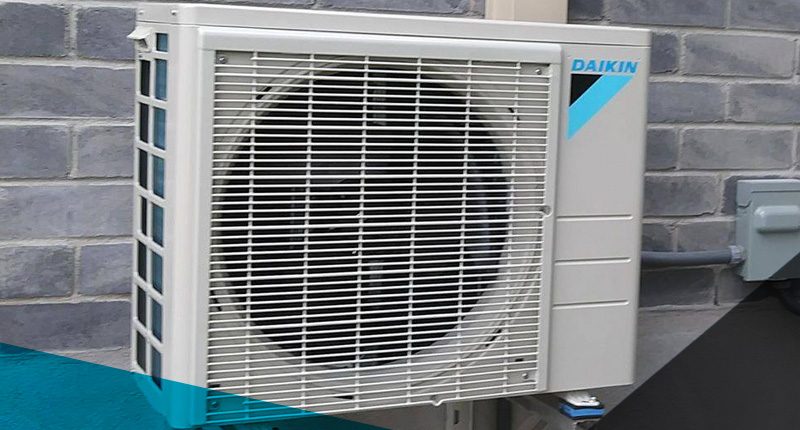
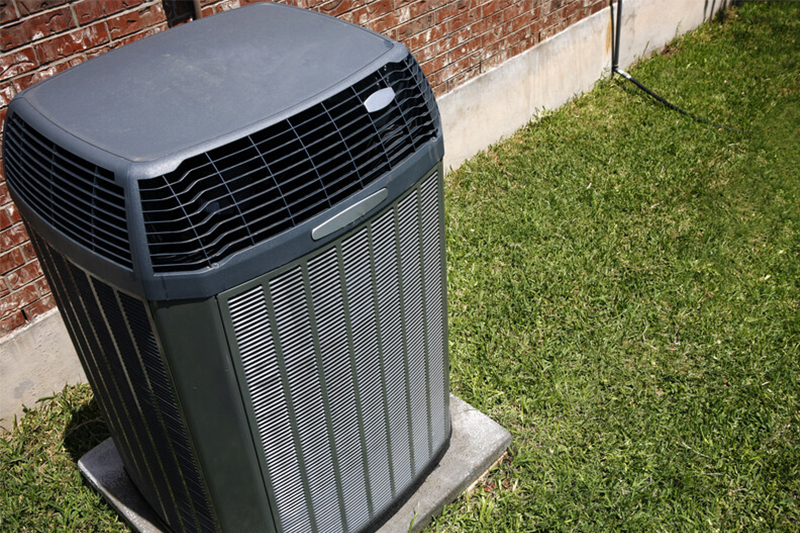
A heat pump acts as both an air conditioner in the summer and a supplemental heating system in the winter. This dual-purpose device helps lower your annual electricity costs and increases energy efficiency, all while operating year-round. With more affordable options on the market, heat pumps have become an ideal choice if you’re looking for a versatile system. You’ll typically choose between a wall-mounted heat pump and a central heat pump….
The advantages of a central forced-air heating system
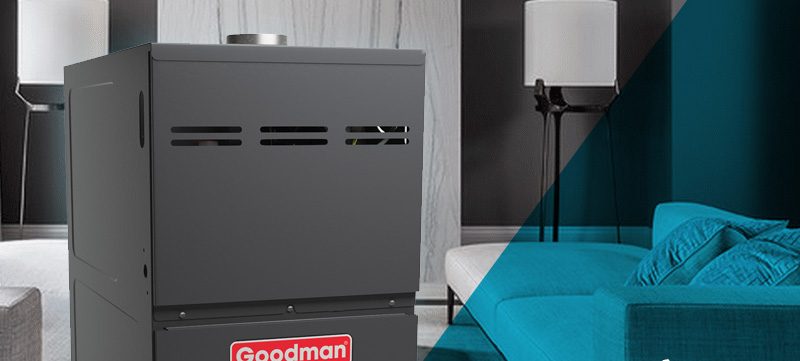
A central forced-air heating system consists of a central unit powered by electricity, fuel oil or gas. It heats the air and delivers it to each room of the home via metallic ducts hidden inside the walls. Given the low cost of electricity in Quebec, it is generally the preferred energy source for this type of system. Below are some of the numerous advantages a central forced-air heating system offers. …
Tips and tricks to get the most out of your air exchanger
Your air exchanger is like the lungs of your home. It ensures optimal air quality by filtering out allergens, lowering humidity levels and ensuring that every room has a stable temperature and a constant supply of fresh air. It serves as a vital link between the outside world and the inside of your home. What’s more, heat recovery ventilation (HRV) transfers the heat from the exhaust air coming out of the…